

 ⌘ K
⌘ K
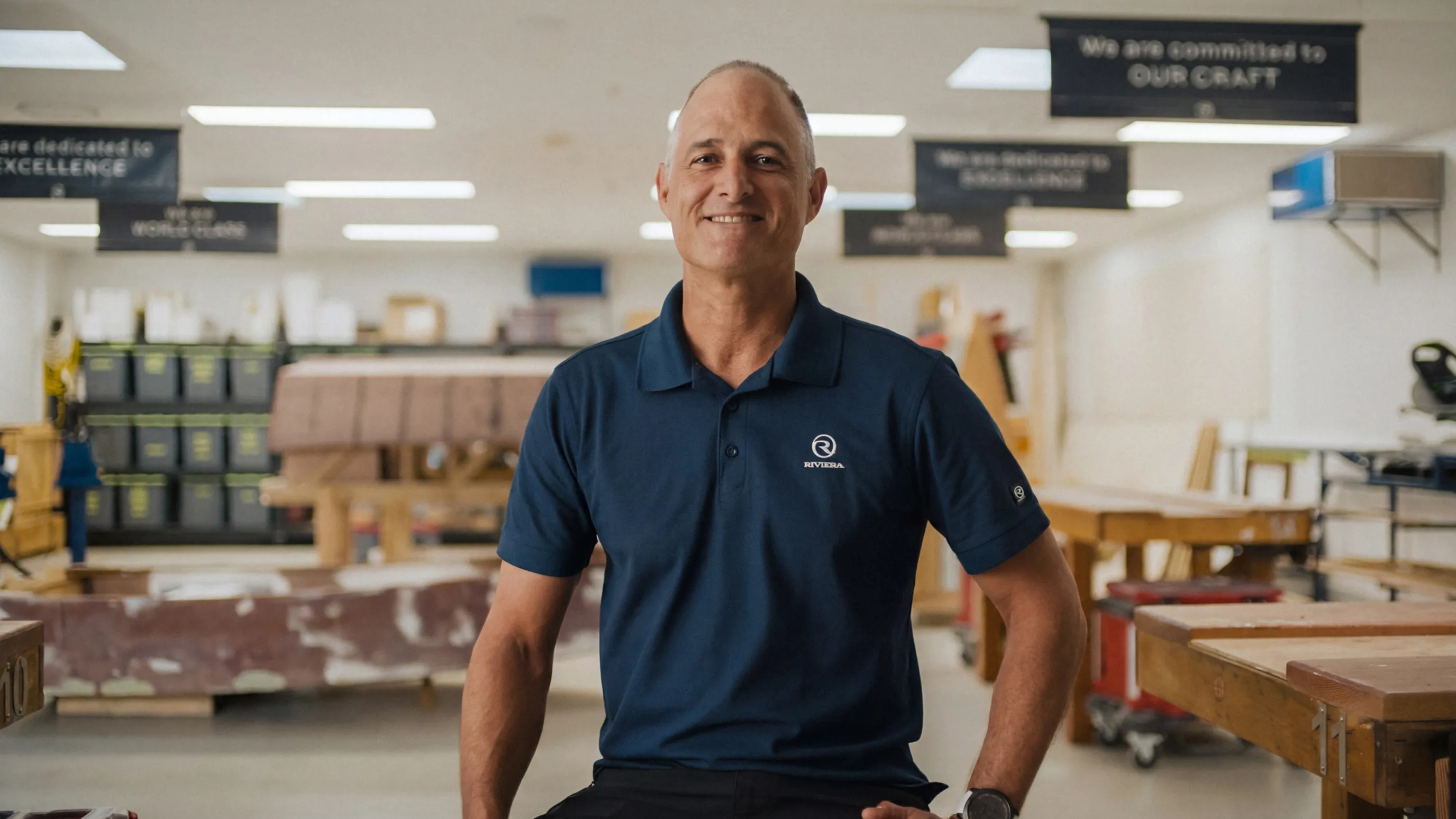
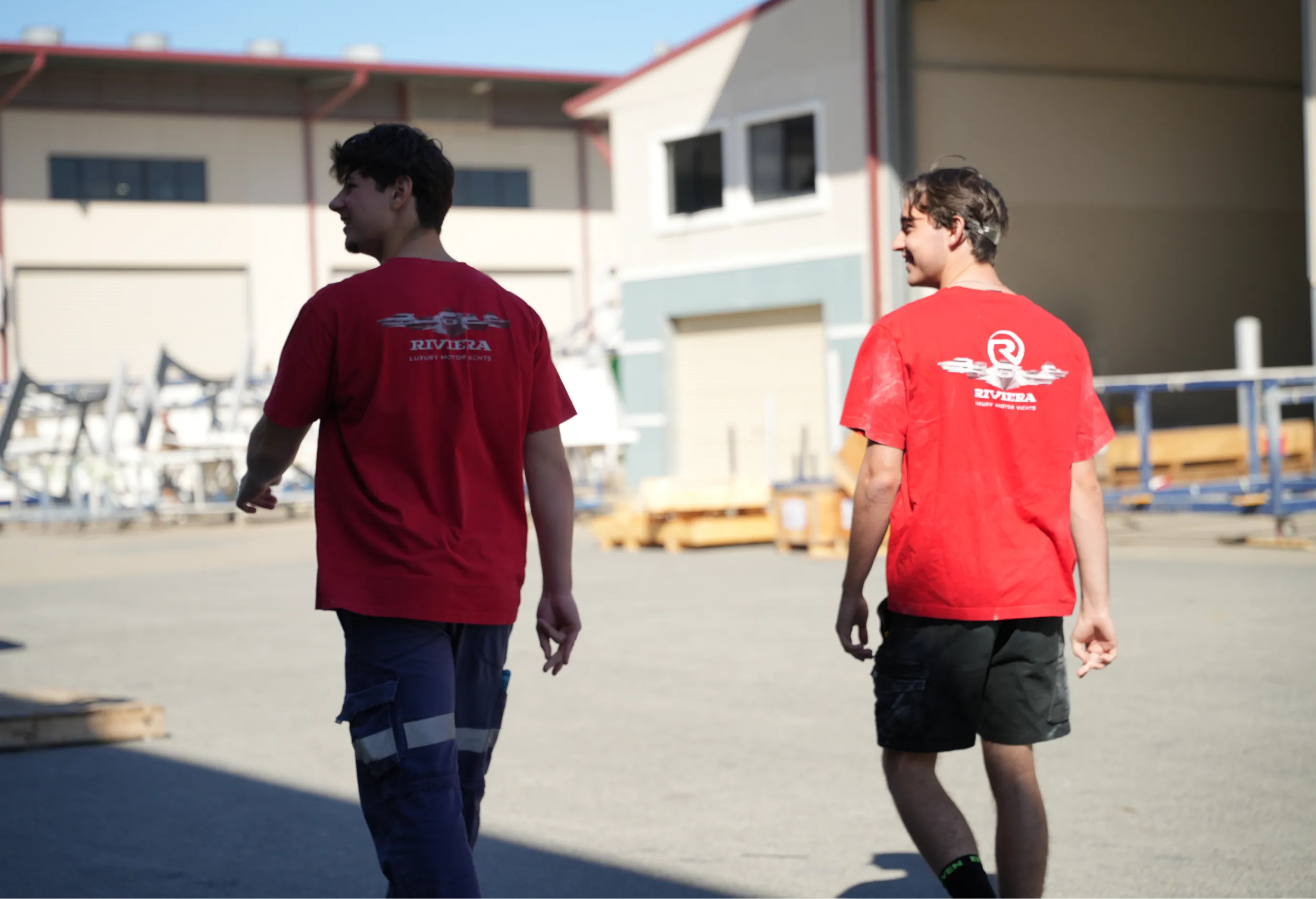
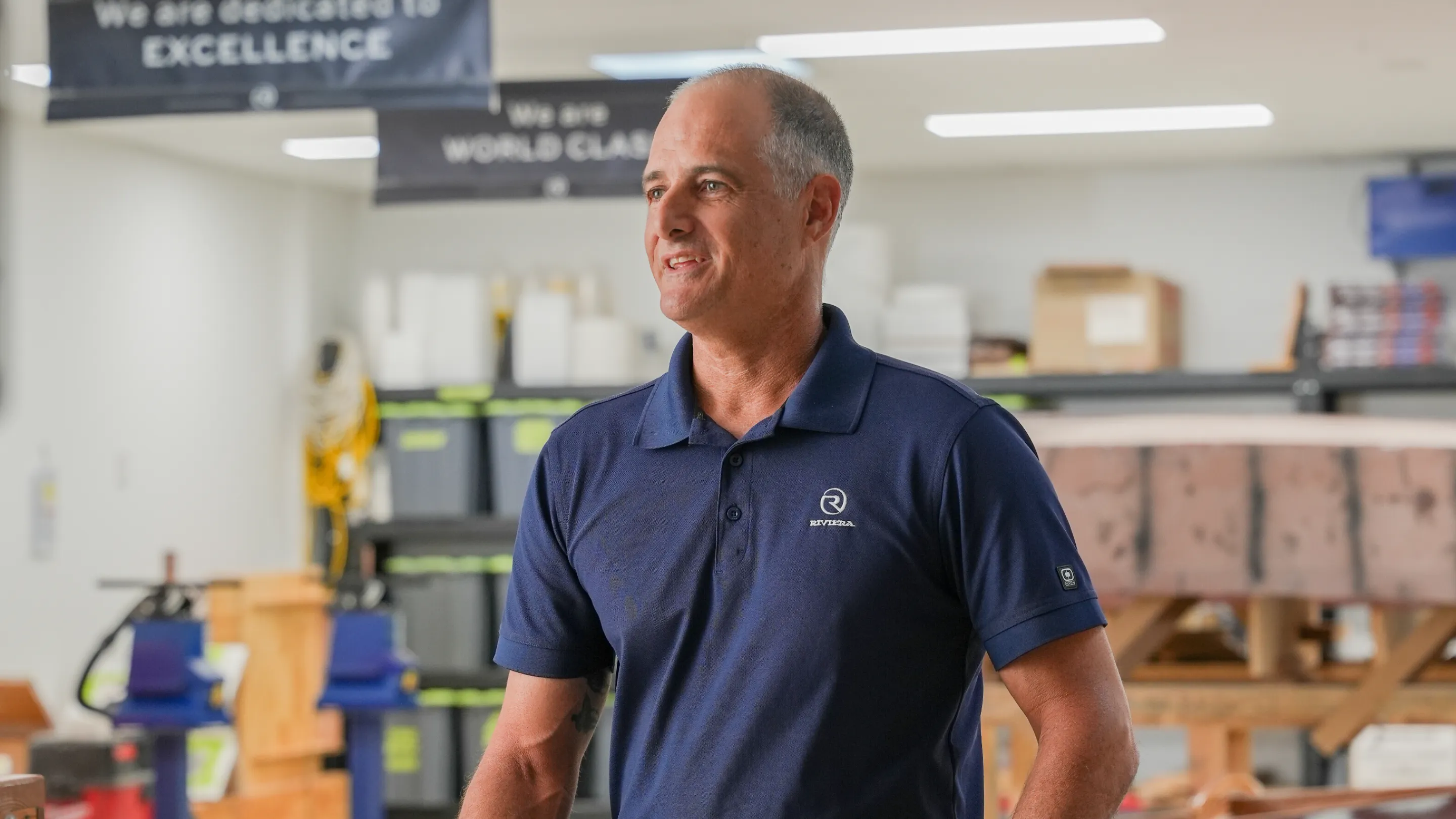
Justin Leigh-Smith was a water kid before he was a boat builder. His family had been in the marine industry since before he was born, so naturally, he grew up water skiing, wakeboarding, then surfing and fishing. "A natural affinity with water," he calls it. But somewhere along the way the interest shifted. "I became interested not in just using boats, but actually how they were built."
In 1992, fresh out of school, he walked into Riviera, asked for the managing director by name, handed over a resume and started a boat-building apprenticeship. That was 34 years ago.
What keeps someone in one place that long?
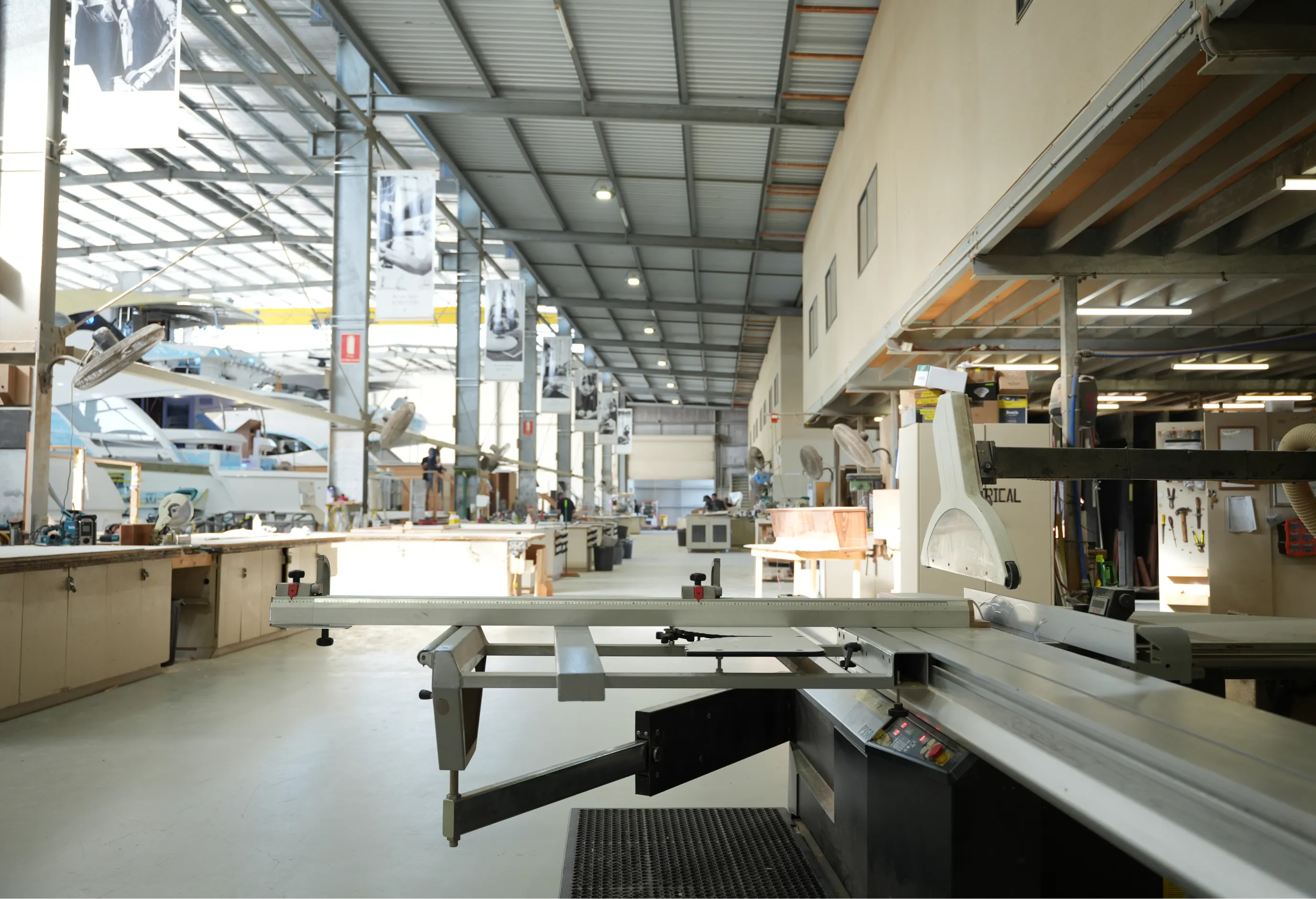
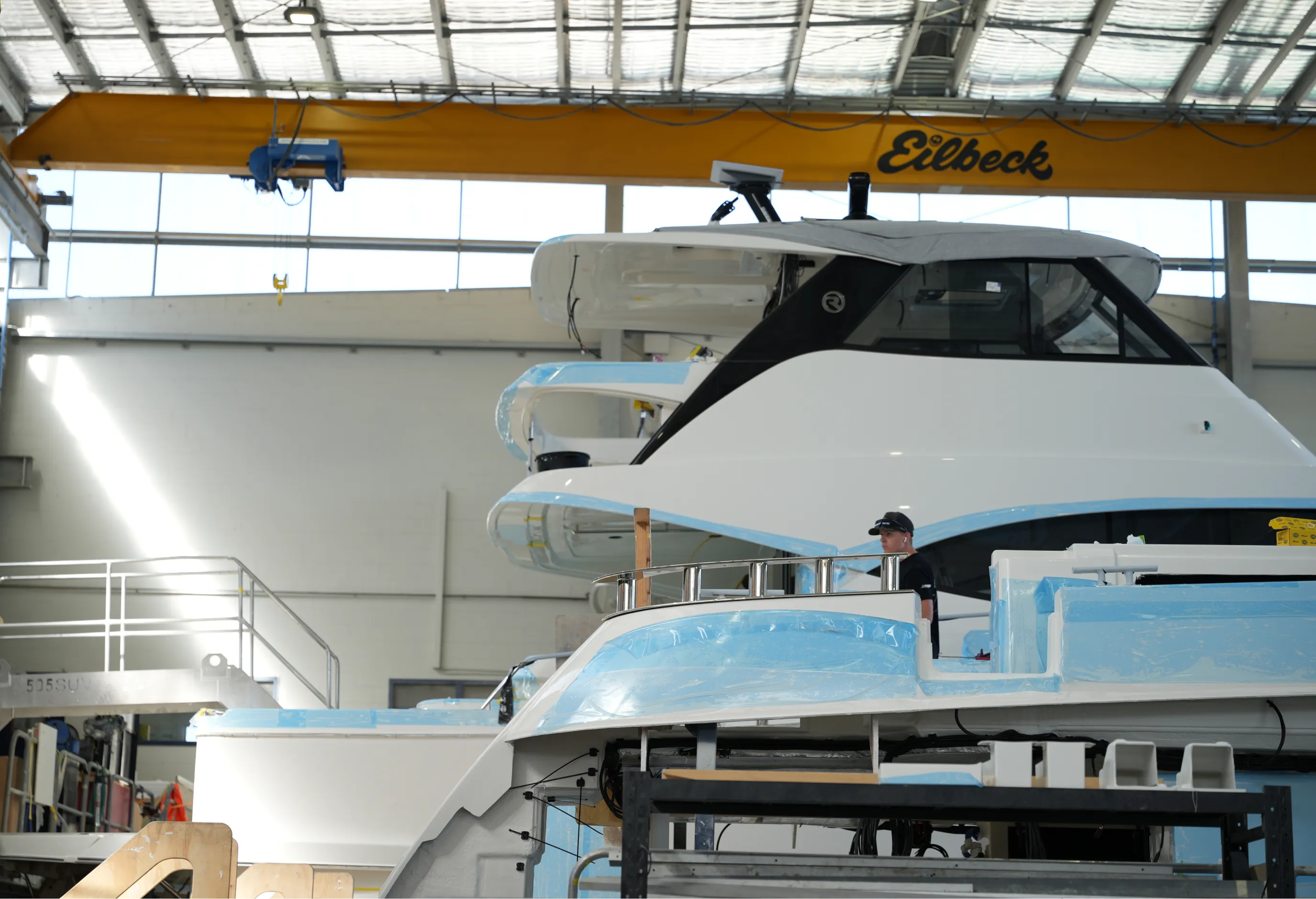
The work changed underneath him, for one thing. He watched Riviera grow from humble beginnings in 1980 into a manufacturer selling into around 60 countries — digital switching, timber work, finishes, "that attention to detail." He moved from the tools through several management roles, and these days he trains the next generation at the company's Academy of Excellence.
The move from building boats to building people came from a question he asked himself after 30-odd years on the job. "How can I add value? How can I give back, and feel more sense of purpose?" He'd watched skills thin out across the trades, and boat building is a niche craft. Knowledge like that doesn't survive on its own. So Riviera decided to train in-house: nationally accredited, but on its own terms.
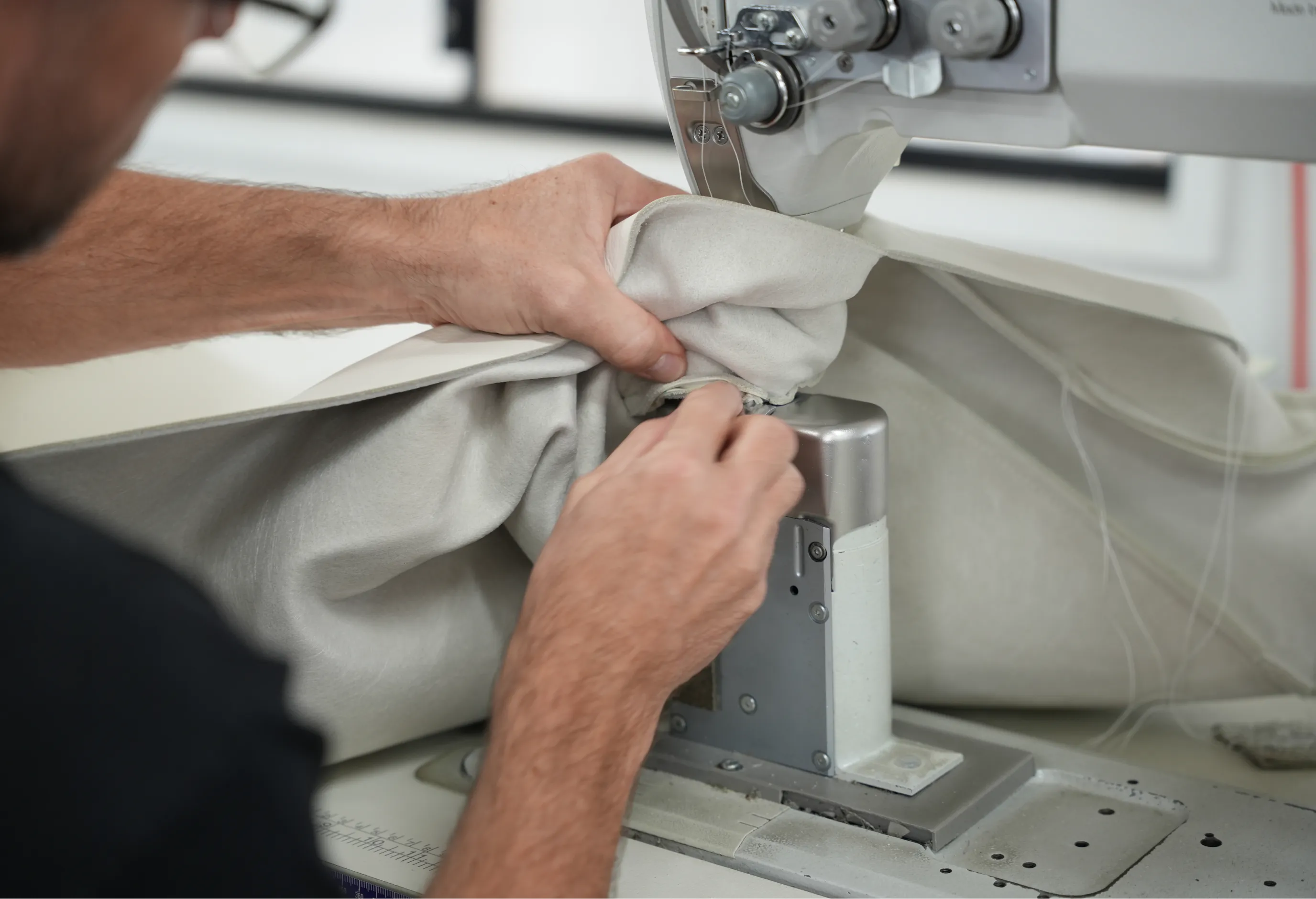
Today around 120 apprentices work on site across ten trades: marine craft construction, engineers, electricians, fabricators, French polishers, cabinetmakers, CNC operators, upholsterers. They learn the hard skills, and through a program called Propel, the rest: communication, budgeting, finance, relationships. The things, as Justin puts it, that make up a life.
His selection philosophy is simple, and it isn't about talent. "If you've got a great attitude, we can teach the other side. You can have someone with the best hand skills in the world, but if they don't have a great attitude, they're not going to learn."
So what does he actually get out of it?
Watching confidence grow in someone. "Rather than being hesitant to pick up a tool, they pick it up with purpose. That's the wow moment." He and his colleague Darren see it again and again. One apprentice began his training without the same opportunities, support, or circumstances as others growing up and was later nominated Queensland Apprentice of the Year. "There was a fork in the road, and they took the right turn."
He understands the turn personally. School was "average." He went to university later as a mature-age student and did well, and he credits the intangible things he learned at Riviera — plus a culture where "we all push each other." The job gave him a livelihood, the skills to buy and renovate houses, a career rather than just work. "I'm eternally grateful." It's also why the Academy never stops tinkering with itself.
“If we don't improve, we dissolve.”
There's one thing that genuinely needles him, though, and it's about the city.
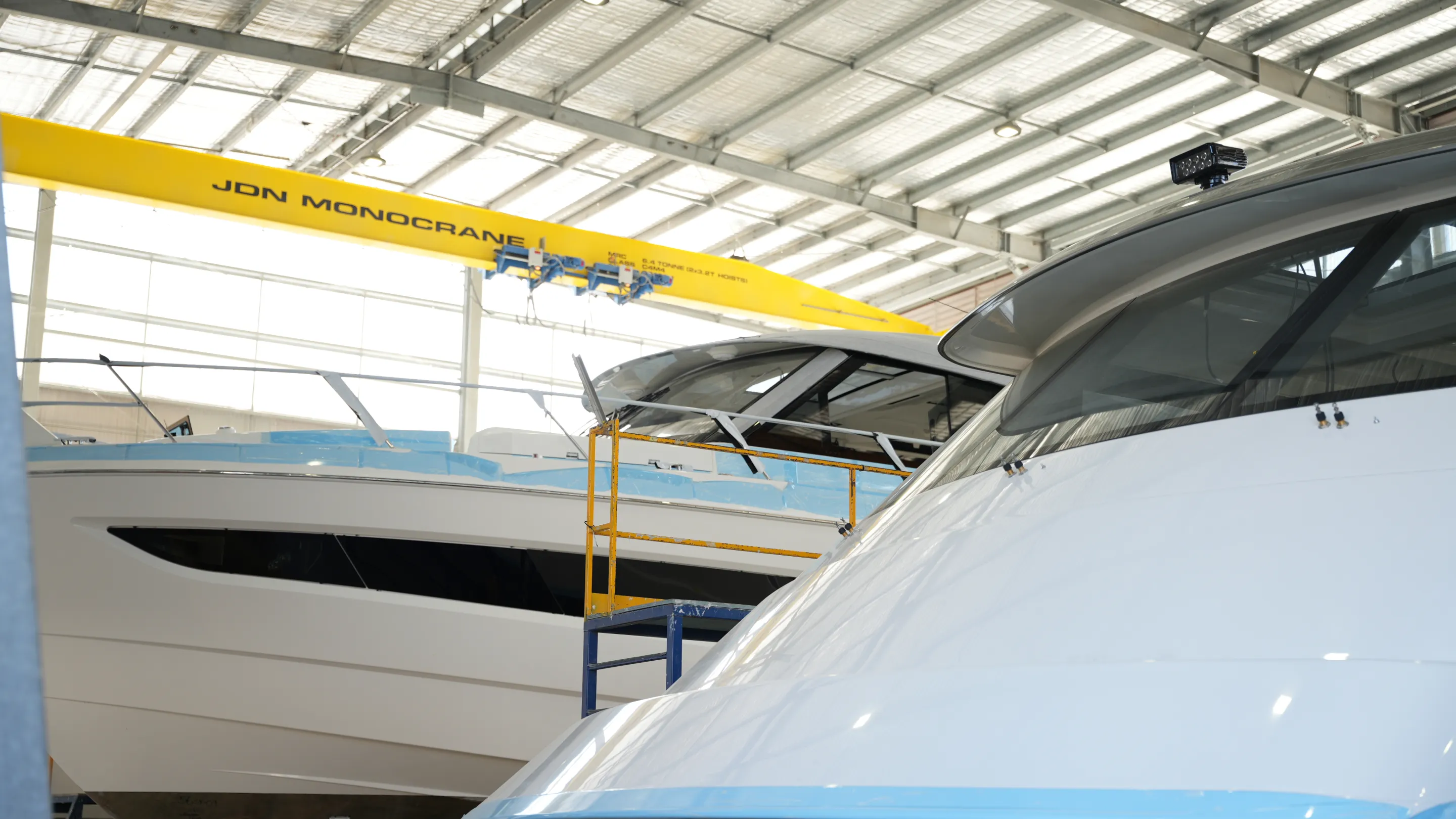
"It does annoy me that we're renowned as a glitter strip," he says. Nightclubs, surf bums, a plastic society. He's a born-and-bred local, and from where he stands the Gold Coast is something else entirely: Australia's largest marine precinct, sitting on the Coomera River, capable of taking a vessel end to end — "from the naval architect side right through to commissioning, sea trialling and the owner experience, all here in this hub." People commute in from Brisbane and northern NSW. Two of his apprentices turned their lives upside down to move from New Zealand. "From the moment we started putting it together, I knew it belonged here."
What the rest of the country reads as a holiday town, he reads as one of the leaders in the Southern Hemisphere, and increasingly the world, in new manufacturing. "And with that recognition comes opportunity for a wide range of industries and career pathways."
He doesn't have much time for the phrase work-life balance, either. "I like to think of it as... it's just your life." The surf, the mountain bike trails in the hinterland minutes from the factory, kangaroos in the forest and leaves under his tyres, none of that is time off the clock. "It helps you reset, helps you focus, makes you feel more complete." Then back into work the next day.
Thirty-four years in, he's still here. Still improving. Still proud of the place that made him.
Discover Riviera


